Tinnitus causes you to hear sounds that don’t come from an external source. It may be temporary or persistent and can affect one or both ears. Craig Shapiro, DO, at the Ear, Nose, Throat, and Sinus Center of South Florida in Hollywood, Florida, evaluates tinnitus and looks for hearing, ear, or other medical problems that may be contributing to your symptoms. Call Ear, Nose, Throat, and Sinus Center of South Florida to schedule an ENT evaluation for ringing in the ear, or book an appointment by completing the online form.
Ringing in Ear Tinnitus Q & A
What does tinnitus sound like?
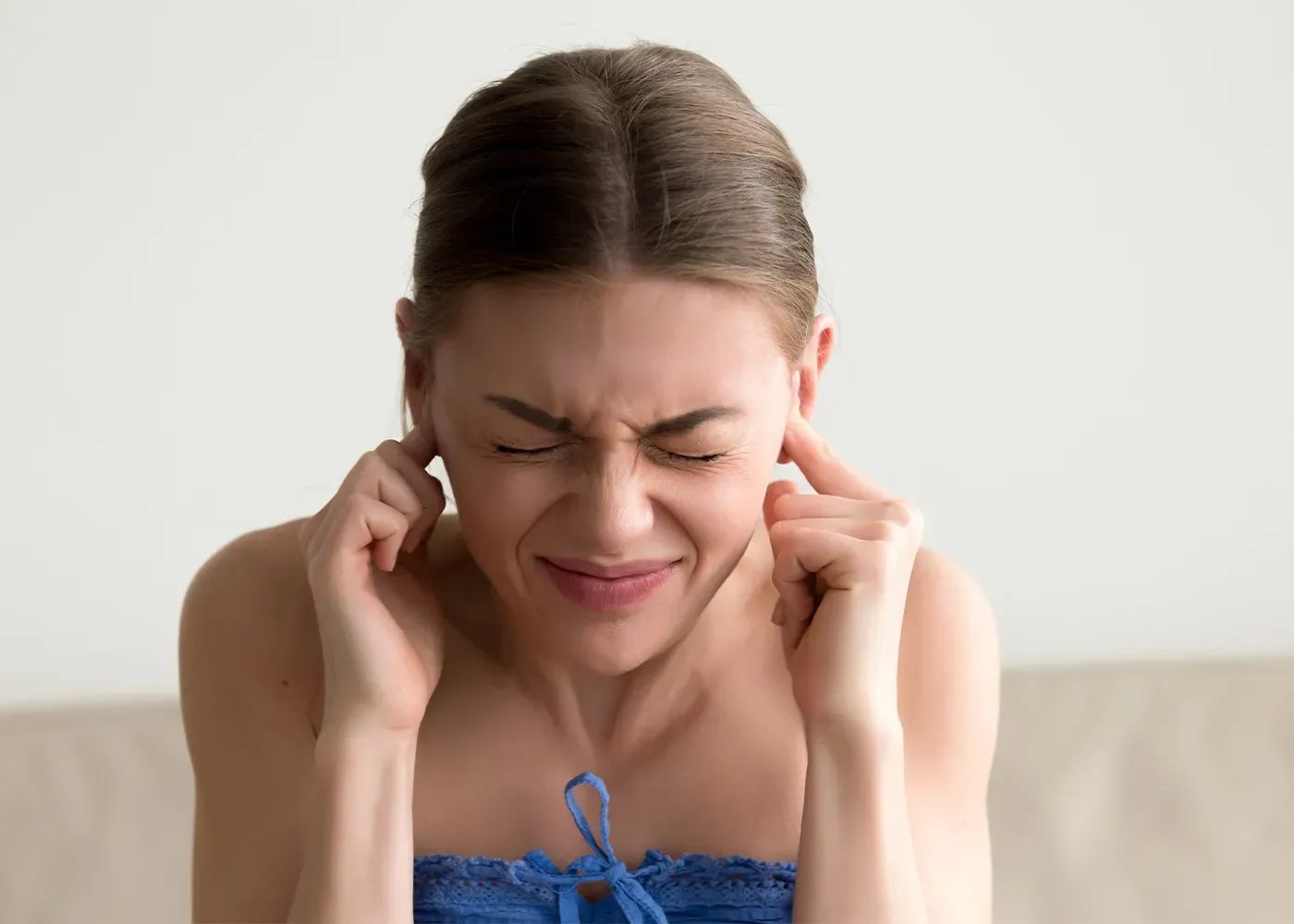
Although tinnitus is commonly described as ringing in the ears, people experience it in many different ways. The sound may resemble:
- Buzzing
- Hissing
- Whistling
- Clicking
- Humming
- Roaring
- Pulsing
The noise may remain constant or come and go. Some people notice it only in quiet surroundings, while others find that it interferes with concentration, sleep, and hearing everyday conversations.
What causes tinnitus?
Tinnitus is a symptom rather than a disease itself. It often develops alongside changes in the auditory system.
Possible causes include:
- Age-related hearing loss
- Exposure to loud noise
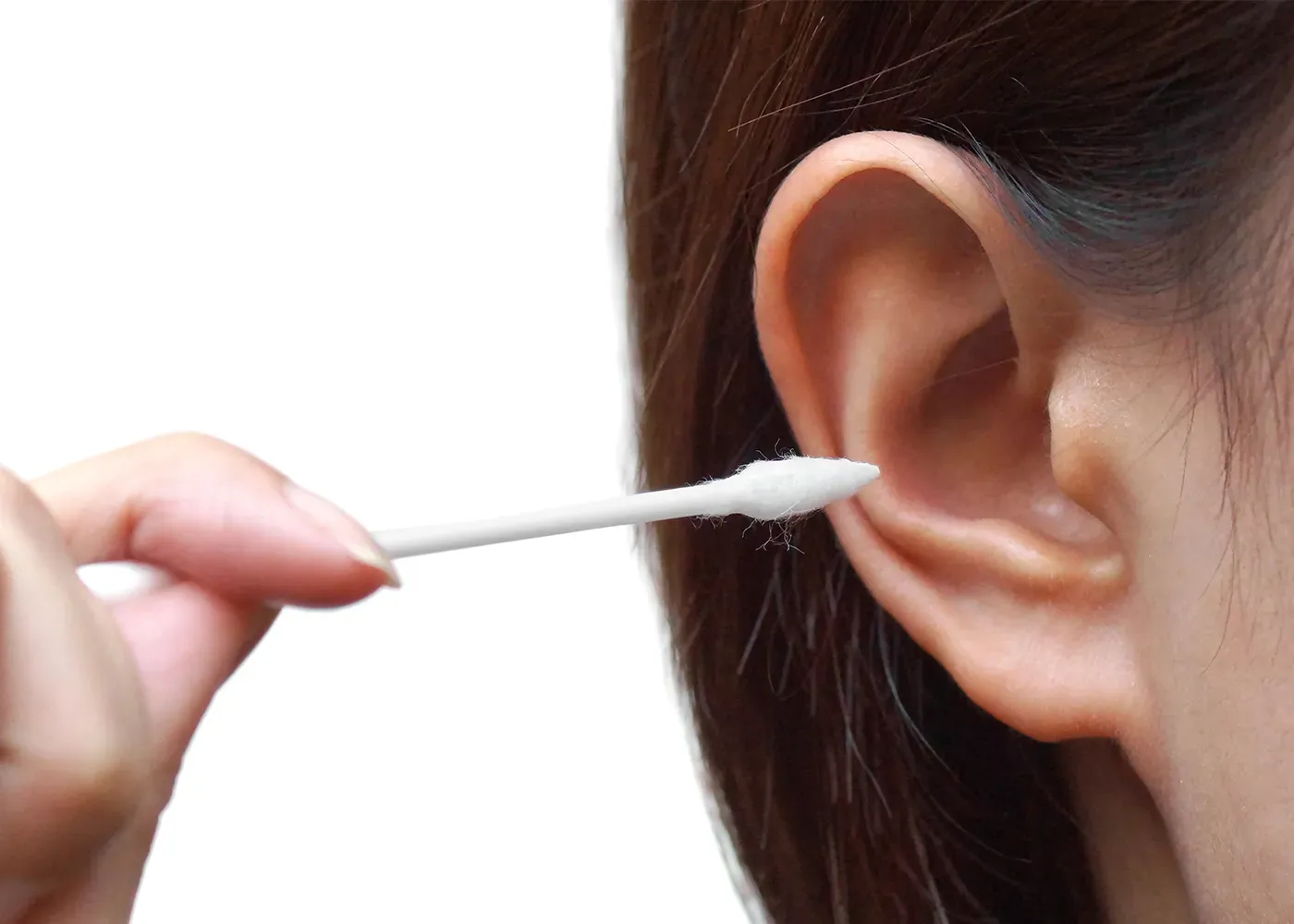
- Earwax buildup
- Ear infections
- Eardrum problems
- Ménière’s disease
- Head or neck injuries
- Certain medications
- Problems involving the jaw joint
Tinnitus that beats or pulses in time with your heartbeat is called pulsatile tinnitus. Because this form can sometimes relate to blood flow or vascular conditions, it generally requires a medical evaluation.
How is tinnitus evaluated?
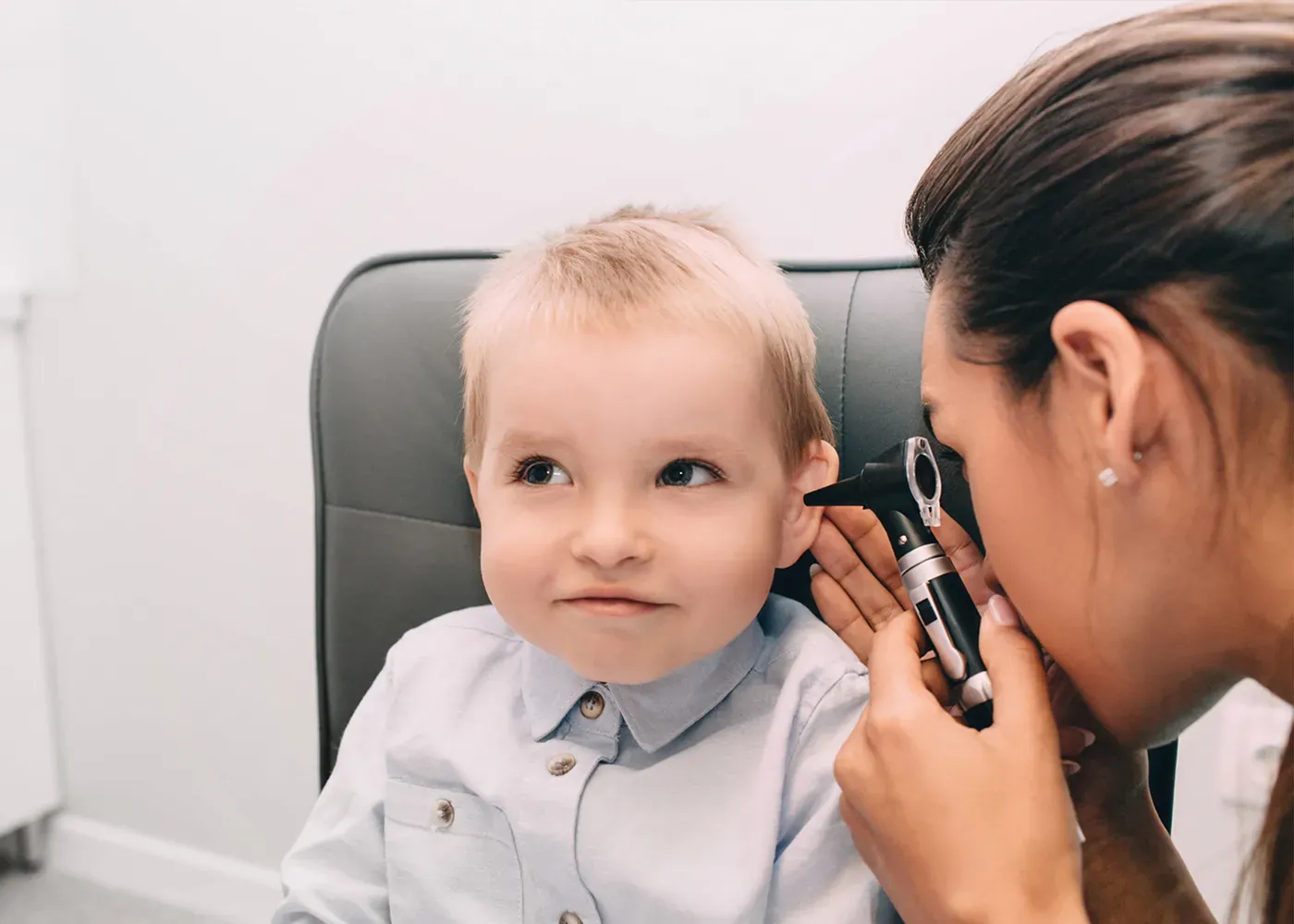
Dr. Shapiro examines your ears and reviews when the tinnitus or ringing in the ears began, how it sounds, whether it affects one or both ears, and whether you have other symptoms.
An evaluation may include testing to identify hearing loss or differences between the ears. Further testing may be appropriate when tinnitus is one-sided, pulsatile, develops suddenly, or occurs with dizziness, balance problems, or other neurological symptoms.
Can tinnitus be treated?
Treatment depends on the underlying cause. Removing impacted earwax or treating an ear infection may resolve tinnitus if either condition is responsible. When tinnitus accompanies hearing loss, hearing aids can sometimes make the internal noise less noticeable by improving access to surrounding sounds.
Other approaches focus on reducing awareness of tinnitus rather than eliminating the sound completely. These may include:
- Sound therapy
- Background noise
- Tinnitus retraining techniques
Strategies that improve sleep or reduce the distress associated with persistent symptoms can also be invaluable.
Medication isn’t generally able to cure ringing in the ears, although it may address an associated medical condition. Seek prompt medical attention if tinnitus develops suddenly with hearing loss, severe dizziness, weakness, or other neurological symptoms.
When ringing, buzzing, or another unexplained sound in your ears persists or becomes troublesome, contact the Ear, Nose, Throat, and Sinus Center of South Florida to schedule an evaluation. Call the office or book a consultation online today.