Nasal polyps are a common but irritating problem that affects between 4-40% of the adult population. Anyone can experience nasal polyps, but they’re more common in men than women. If you have nasal polyps, don’t wait to seek professional help with Craig Shapiro, DO, and the team at the Ear, Nose, Throat, and Sinus Center of South Florida in Hollywood, Florida. To make an appointment, call the office or request one online today.
Nasal Polyps Q & A
What are nasal polyps?
Nasal polyps are noncancerous growths that line your nasal passages or sinuses. They’re shaped like teardrops and occur due to chronic inflammation. Some nasal polyps are small and present no symptoms; others are large and block the nasal passages, making it difficult to breathe.
Nasal polyps affect people of all ages, but they’re more common in adults than children. They typically respond to prescription medication but sometimes require surgical intervention.
What are the symptoms of nasal polyps?
Common symptoms of nasal polyps include:
- A runny nose
- Loss of smell
- Loss of taste
- Facial pain or headaches
- Pain in your upper teeth
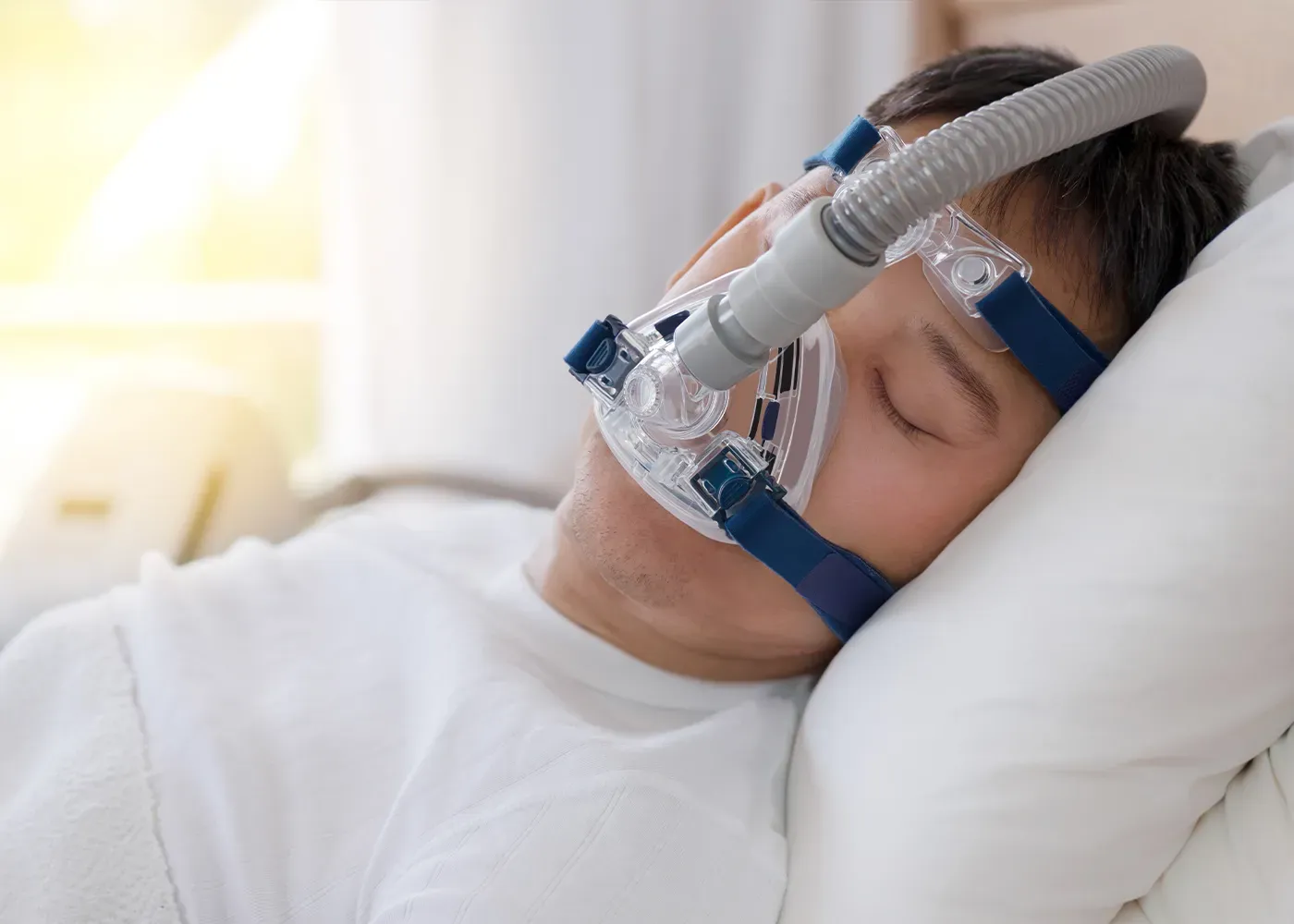
- Snoring
If you have nasal polyps, you might also experience a feeling of increased pressure on your forehead and face.
Who is at risk of developing nasal polyps?
Nasal polyps affect people of all ages and genders, but they’re more common in adults and men. Several factors that increase the risk of nasal polyps include:
- Asthma
- Cystic fibrosis
- Vitamin D deficiency
- Aspirin sensitivity
You might also develop nasal polyps as a result of allergic fungal sinusitis, an allergy to airborne fungi.
How are nasal polyps diagnosed?
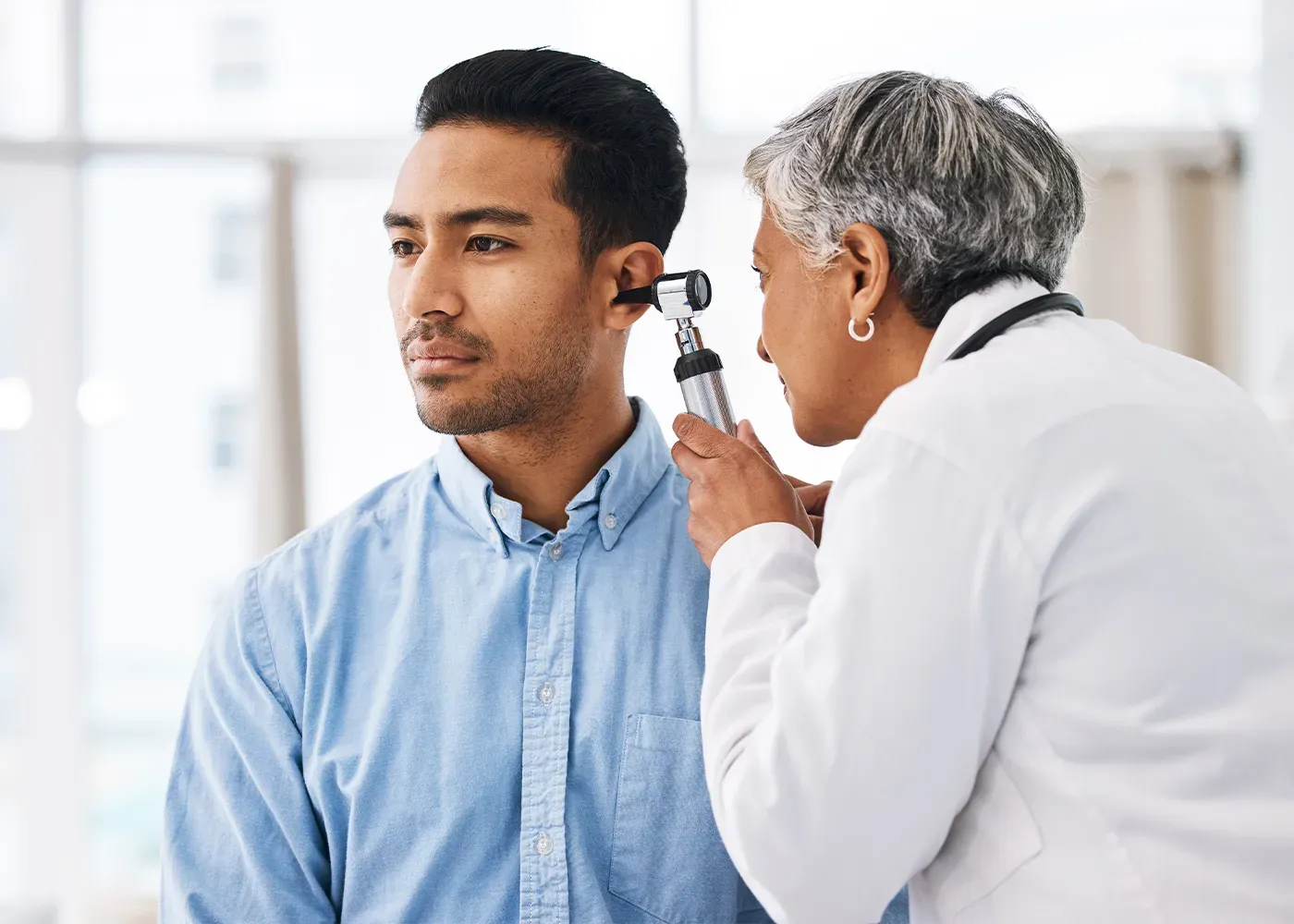
To diagnose nasal polyps, Dr. Shapiro examines your nose and asks about your symptoms, including when they started, their severity, and if any activities, like spending time outdoors make them worse.
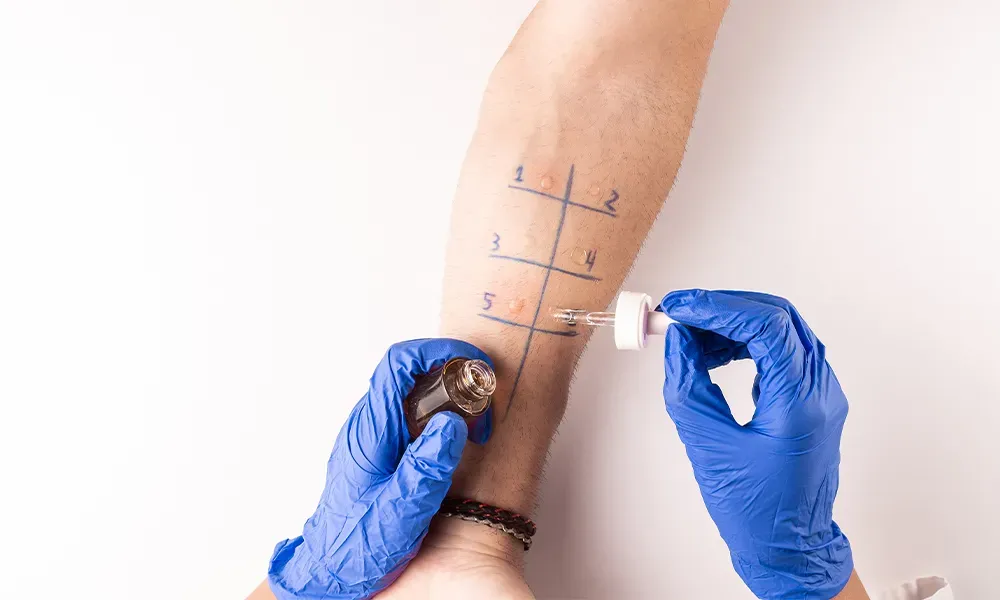
If physical observation doesn’t provide insight into the source of your discomfort, your provider might recommend nasal endoscopy, allergy tests, or diagnostic imaging. Nasal endoscopy uses a tool called an endoscope to examine your nose and sinuses. Diagnostic imaging, like a CT scan, provides detailed images of your sinuses and nasal passages.
How are nasal polyps treated?
Treatment of nasal polyps depends on their size, location, and effect on your quality of life. Dr. Shapiro might recommend:
- Nasal corticosteroids
- Oral or injectable corticosteroids
- Medication to treat nasal polyps
- Medication to minimize swelling of your nasal passages
You might also benefit from SINUVA®, a non-surgical treatment for nasal polyps. It’s a small device inserted into your ethmoid sinus — the hollow space behind your eyes. Once placed, SINUVA releases anti-inflammatory medication. The medication relieves uncomfortable symptoms caused by nasal polyps.
To receive treatment for nasal polyps, make an appointment at EEar, Nose, Throat, and Sinus Center of South Florida by calling the office or requesting an appointment online today.