Obstructive sleep apnea (OSA) can repeatedly interrupt breathing during sleep, reducing sleep quality and placing extra strain on your body. At the Ear, Nose, Throat, and Sinus Center of South Florida in Hollywood, Florida, Craig Shapiro, DO, can evaluate anatomical problems in the nose and throat that may contribute to airway obstruction. To schedule an obstructive sleep apnea evaluation, call the Ear, Nose, Throat, and Sinus Center of South Florida or request an appointment online today.
Obstructive Sleep Apnea Q & A
What is obstructive sleep apnea?
Obstructive sleep apnea (OSA) occurs when tissues in the upper airway relax or collapse during sleep and temporarily block airflow. Breathing may stop for several seconds at a time before the brain briefly wakes you enough to reopen the airway.
These interruptions can happen many times during the night, often without you remembering them the next morning.
Factors that can contribute to OSA include:
- Enlarged tonsils or adenoids
- Nasal obstruction
- A deviated nasal septum
- Excess tissue around the throat
- A large tongue
- A small or recessed lower jaw
- Obesity
- Age-related loss of muscle tone
- Alcohol or sedative use
Children can also develop OSA, with enlarged tonsils and adenoids among the most common causes.
What are the signs of obstructive sleep apnea?
A partner may notice pauses in breathing followed by gasping, choking, or snorting.
Other symptoms include:
- Excessive daytime sleepiness
- Loud, persistent snoring
- Morning headaches
- Dry mouth on waking
- Poor concentration
- Irritability
- Restless or unrefreshing sleep
- Frequent nighttime urination
Untreated OSA is also associated with an increased risk of high blood pressure, cardiovascular disease, stroke, and other health problems.
How is sleep apnea diagnosed?
Diagnosing OSA typically involves a sleep study, which records breathing, oxygen levels, heart rate, and other measurements while you sleep. Testing may take place in a sleep center or sometimes at home.
Dr. Shapiro also examines your nasal passages, tonsils, palate, throat, and other structures to determine whether an anatomical problem could be contributing to your symptoms.
What treatments are available for obstructive sleep apnea?
Treatment depends on the severity of your OSA and what’s causing your airway to close.
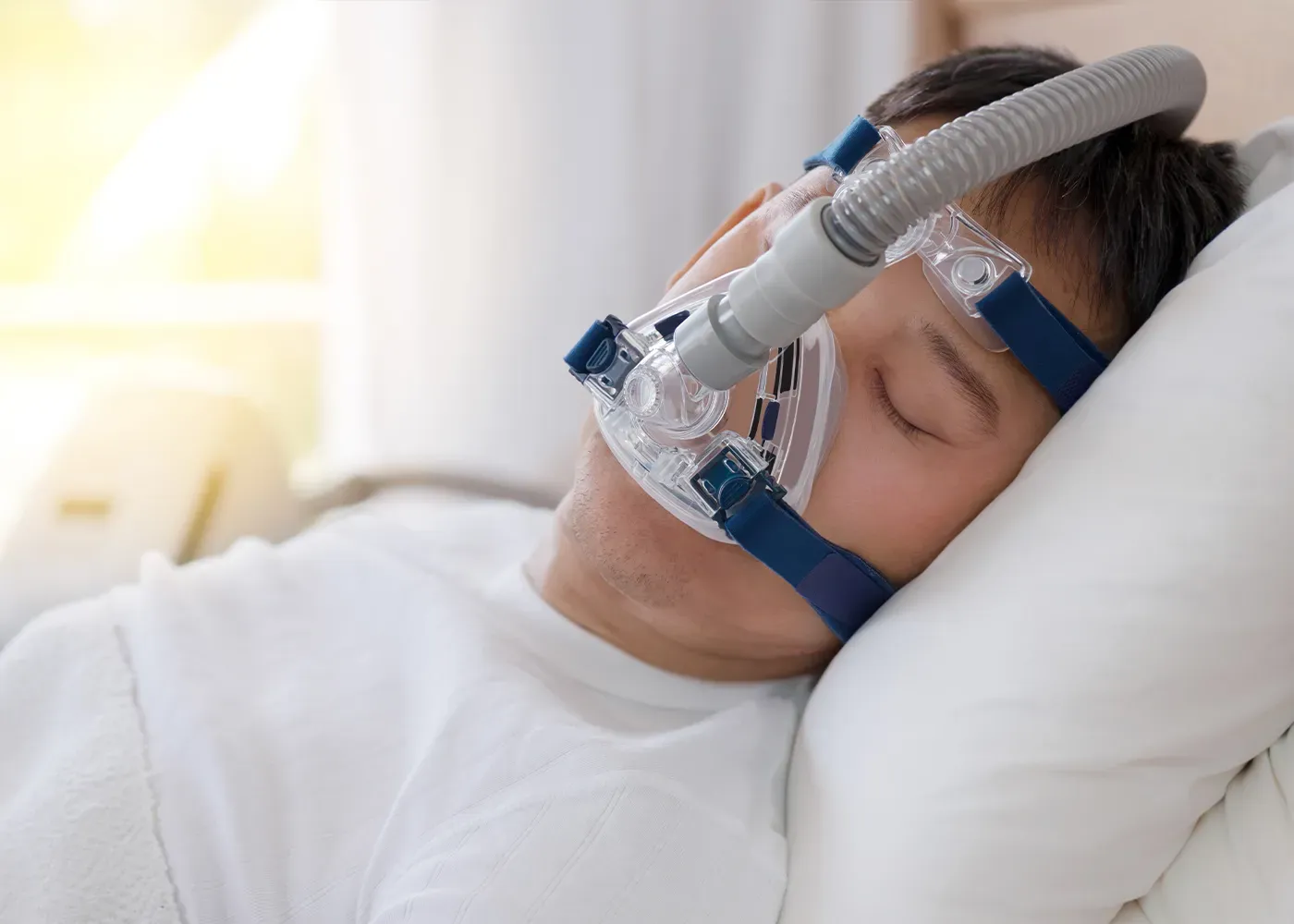
Continuous positive airway pressure (CPAP) is a common treatment. A CPAP device delivers gentle air pressure through a mask to keep the airway open while you sleep. Oral appliances that reposition the jaw or tongue may help with mild or moderate OSA.
Weight management, changing sleep position, limiting alcohol, and treating nasal congestion can also improve symptoms in appropriate cases.
ENT treatment may be necessary for structural airway problems. Depending on the findings, this could involve treating nasal obstruction or addressing enlarged tonsils, adenoids, and other tissues contributing to airway narrowing.
If snoring, gasping at night, or persistent daytime sleepiness raises concerns about sleep apnea, call the Ear, Nose, Throat, and Sinus Center of South Florida to schedule an evaluation. You can also use the online booking feature to request an appointment at any time.